Autism in girls can feel like a quiet ripple beneath a still pond—visible only if you look closely. This article dives into the subtle clues that parents, teachers, and friends might miss, offering a roadmap for early recognition and support. We’ll explore everyday behaviors, social nuances, and sensory patterns that paint the picture of autism in girls, all while keeping the tone professional, informative, and sprinkled with a touch of light humor.
Understanding Gender Differences in Autism
When most people think of autism, they picture the classic image of a boy with intense focus on trains or a particular hobby. In reality, girls often display a different set of traits, which can lead to underdiagnosis.

The Masking Phenomenon
- Social Camouflage: Girls may mimic peers, learning to “play the part” so well that they blend in. Internalizing Challenges: Rather than acting out, many internalize frustration, leading to anxiety or depression.
> “Girls learn to mask their struggles, but the mask wears thin under stress.” – Dr. L. Nguyen, Autism Self-assessment questionnaires Researcher
The metaphor of a mask is apt: it protects but also hides the underlying reality, much like a theater costume that covers but never reveals the actor’s true face.
Why Diagnosis Rates Differ
- Historical Bias: Early diagnostic tools were designed around male behaviors. Cultural Expectations: Societal norms push girls toward social conformity, masking autistic traits.
Subtle Signs in Daily Life
Spotting autism in girls often requires a keen eye for patterns that deviate subtly from typical development.
Social Interaction Nuances
- Selective Friendships: A preference for one or two close friends over large social circles. Misreading Social Cues: Difficulty interpreting facial expressions or body language. Conversation Flow: Long monologues about a specific interest, followed by abrupt silence when the topic shifts.
Rhetorical Checkpoint
*Have you ever noticed a friend who can talk for hours about a niche hobby, only to freeze when the conversation veers?*
Communication Patterns
- Literal Interpretation: Taking idioms or jokes at face value. Speech Rhythm: A tendency toward monotone or unusually rapid speech. Avoiding Small Talk: Hesitance or avoidance of casual chatter that feels “small” to them.
Sensory Sensitivities
- Over- or Under-Responsiveness: Loud noises, bright lights, or textures that cause discomfort. Routine Disruption: Anxiety spikes when daily routines change, even slightly.
When to Seek Support
Early intervention can dramatically improve outcomes. Recognizing the subtle signs is the first step, but knowing when to act is equally important.
Red Flags Worth Noting
- Academic Struggles: Persistent difficulties in class despite normal intelligence. Social Withdrawal: Pulling back from group activities or school events. Emotional Distress: Frequent tears or anxiety that seem disproportionate to the situation.
Professional Assessment
- Multidisciplinary Evaluation: Involves psychologists, speech therapists, and occupational therapists. Standardized Tools: Updated assessment instruments now include gender-sensitive criteria.
> “A comprehensive evaluation is like assembling a jigsaw puzzle; each piece—behavior, communication, sensory profile—contributes to the whole picture.” – Dr. M. Patel
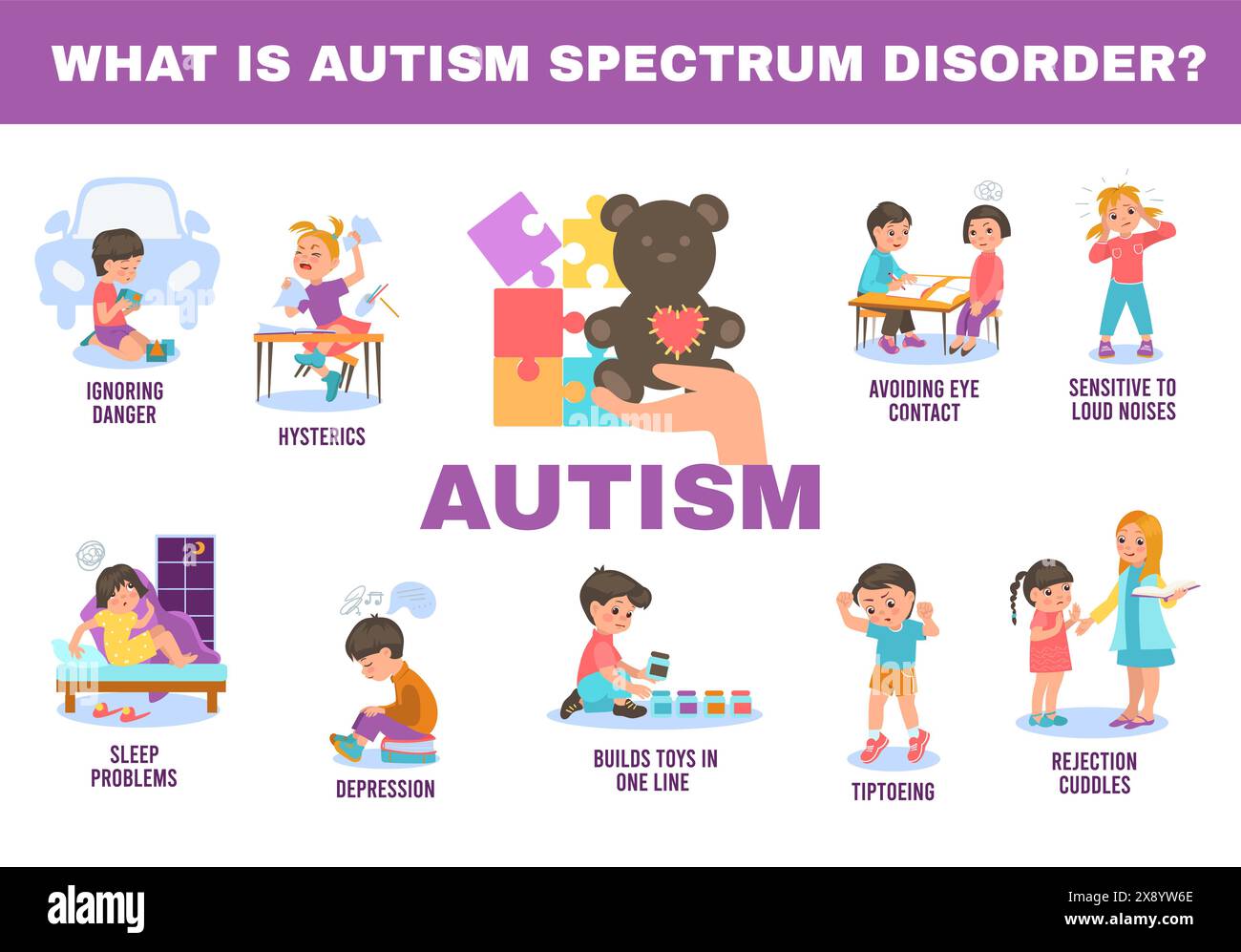
The Role of Parents and Educators
- Observation Journals: Keep a daily log of behaviors and triggers. Collaborative Meetings: Regular communication between home and school ensures consistent support.
Spotting the Quiet Storm
Autism in girls often presents as a quiet storm—unseen yet powerful. Recognizing its subtle signs can transform a child's life trajectory.
- Early Intervention Benefits: Tailored support improves social skills, academic performance, and mental health. Empowering Families: Knowledge equips parents to advocate for resources and accommodations. Community Awareness: Educating peers reduces stigma and fosters inclusive environments.
Take Action Today
If you suspect a child might be showing signs of autism, start with a gentle conversation. Observe, document, and seek professional guidance. Remember, early detection is not about labeling but about unlocking potential.
*The journey to understanding autism in girls is like peeling an onion—layer by layer, you uncover the core, and with each layer, you gain a clearer, kinder view of the person inside.*